Promotions and Activities


 Home
HomeLow Retention Pipette Tips: What They Are, When to Use Them, and How to Choose
 2026-06-16
 1
1
What Are Low-Retention Pipette Tips?
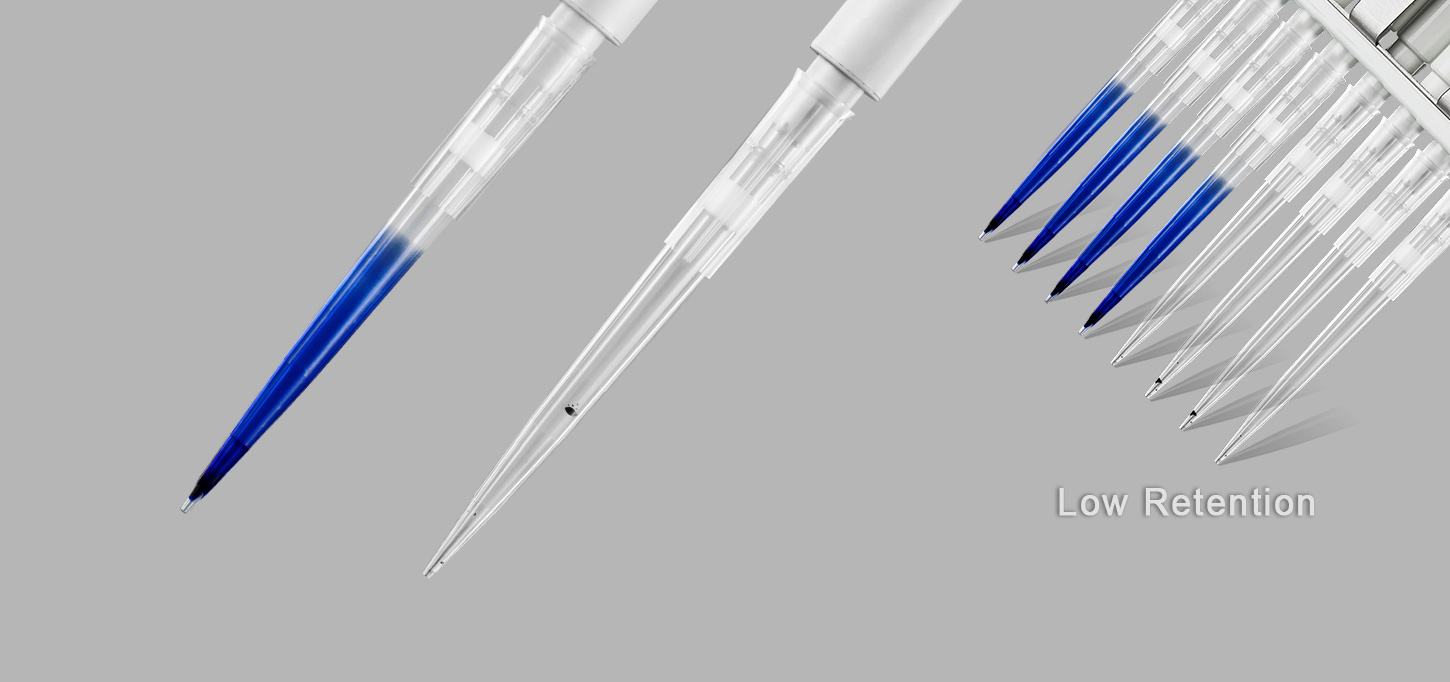
Low-retention pipette tips are made from chemically modified or specially treated polypropylene that reduces surface energy. The result is a hydrophobic inner surface that causes aqueous solutions to bead up and dispense cleanly rather than cling to the tip wall.
Standard pipette tips leave a thin film of liquid inside after dispensing. For most routine applications, this is negligible. But when working with expensive reagents, viscous solutions, or biologically sensitive samples, that residual volume can compromise your results and your budget.
When Do You Need Low Retention Tips?
Not every experiment calls for low-retention tips, but certain applications make them essential:
● Protein and enzyme solutions — proteins adsorb readily to polypropylene surfaces; low-retention tips minimize this
● Viscous liquids — glycerol-based buffers, detergents, and similar solutions cling to standard tips
● Valuable or scarce reagents — when working with small volumes of expensive samples, every microliter matters
● DNA and RNA work — nucleic acids can stick to tip walls, skewing quantification results
● Clinical or diagnostic samples — accuracy and reproducibility are non-negotiable
If you are routinely seeing lower-than-expected yields or inconsistent pipetting results, switching to low-retention tips is a low-cost, high-impact fix.
Low Retention vs Standard Tips: A Direct Comparison
| Feature | Standard Tips | Low Retention Tips |
| Surface treatment | Untreated PP | Hydrophobic-modified PP |
| Liquid residue | Higher | Minimized |
| Best for | Routine aqueous solutions | Proteins, viscous liquids, precious samples |
| Cost per tip | Lower | Slightly higher |
| DNase/RNase-fre | Endotoxin-free | Yes |
Filter vs Non-Filter: Which Low Retention Tip Is Right for You?
Low retention tips are available with or without a built-in aerosol filter. Here is how to decide:
With filter (filtered low retention tips):
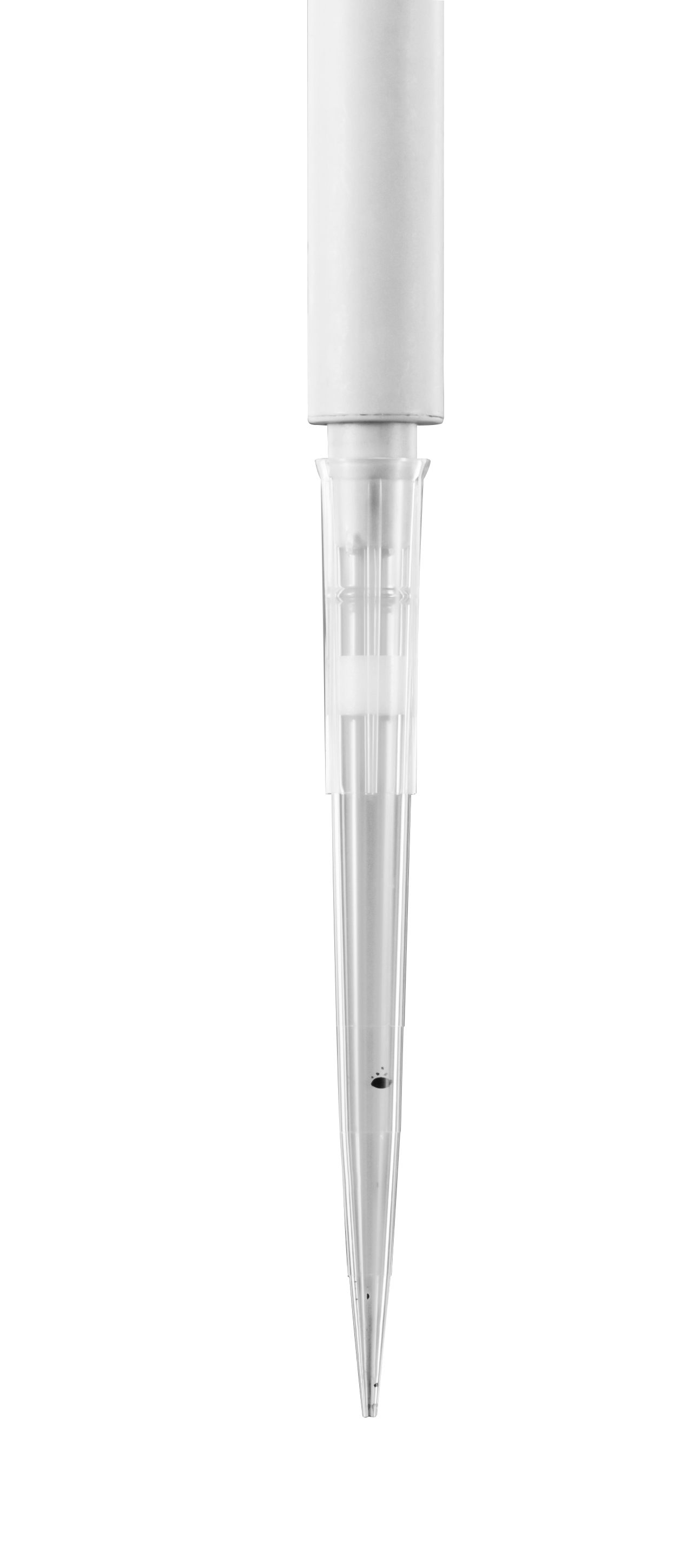
Recommended for PCR, qPCR, and any work involving volatile, hazardous, or infectious samples. The filter prevents aerosol and sample from contaminating the pipette barrel, protecting both your instrument and your downstream reactions.
Without filter:
Suitable for general lab work where contamination risk is low and cost efficiency matters more. Many labs use non-filtered low retention tips for protein quantification and standard enzyme assays.
Universal Fit vs Brand-Specific: Compatibility Guide
One of the most common sourcing questions is whether low retention tips will fit existing pipettes. Most quality manufacturers produce tips in universal fit formats designed to seal reliably across major pipette brands including Eppendorf, Gilson, Thermo Fisher, DLAB, and others.
Key things to verify when sourcing:
● Cone geometry — the taper angle determines how well the tip seals onto the pipette shaft
● Volume range — confirm the tip is rated for the volume you are working with (10 µL, 200 µL, 1000 µL, etc.)
● Packaging Options: Rack Pack,Bulk Pack and Refill Pack
If your lab uses Rainin LTS pipettes, note that these require a specific bayonet-style fitting and are not compatible with standard universal fit tips. Confirm LTS compatibility with your supplier before ordering.
How to Evaluate Quality When Sourcing Low Retention Tips
When comparing manufacturers, focus on these criteria:
Certifications: Look for DNase/RNase-free, endotoxin-free, and DNA-free certifications. These are especially important for molecular biology and cell culture work.
Sterility options: Tips should be available in sterile (gamma-irradiated) formats for sensitive applications.
Lot-to-lot consistency: Ask suppliers for QC documentation. Dimensional variation between production lots can affect seal quality and pipetting accuracy.
Packaging integrity: Rack packs should come sealed to maintain sterility. Verify that packaging does not compromise tip geometry during shipping.
Manufacturing certifications: ISO 9001 and ISO 13485-certified manufacturers provide a higher baseline of production quality control.
PakGent Low Retention Pipette Tips
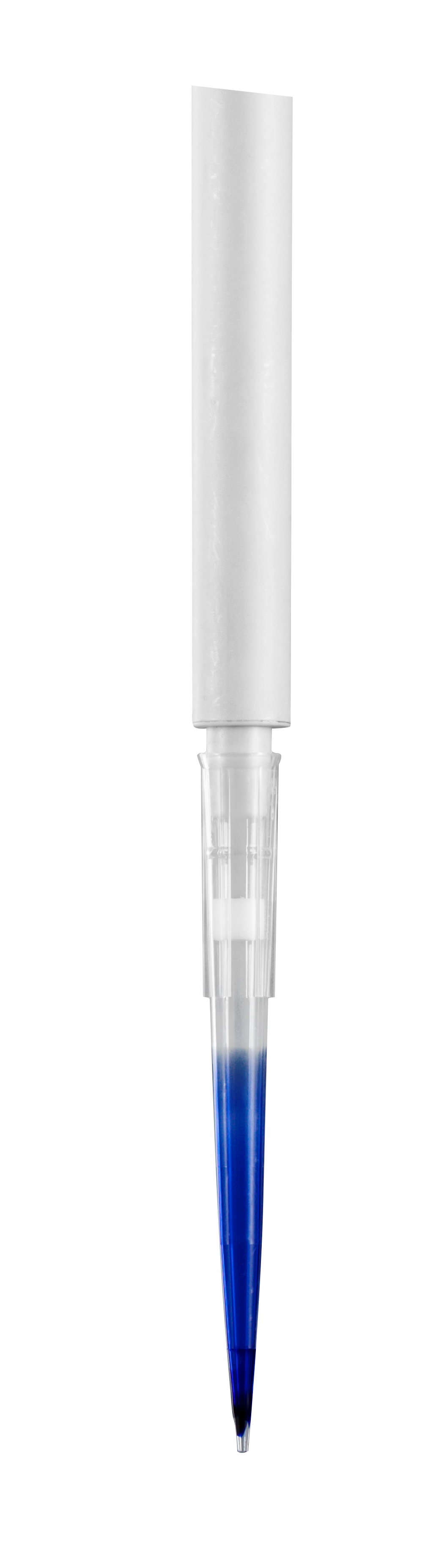
PakGent Bio manufactures a full range of low retention pipette tips in universal fit formats, available with or without filters. Key specifications include:
✦ Volume range: 10 µL to 1250 µL
✦ Certified DNase/RNase-free, endotoxin-free
✦ Radiation sterilization services provided
✦ Rack Pack,Bulk Pack and Refill Packs
✦ Compatible with major pipette brands
OEM and custom branding options are available for distributors and research institutions with specific requirements.